Just like people, dogs can experience anxiety. Changes in routine, loud noises, being left alone, or unfamiliar environments can all trigger stress. Recognizing the signs early can help you support your dog's well-being.
Common Signs of Anxiety in Dogs
Here are 10 signs your dog may be feeling anxious.
- Excessive barking or whining without an obvious reason.
- Pacing or being unable to settle down.
- Destructive chewing on furniture, shoes, or other household items.
- Hiding or avoiding people and other pets.
- Trembling or shaking, especially during storms or fireworks.
- Excessive panting when your dog isn't hot or exercising.
- Constant licking or chewing of their paws or body.
- Accidents in the house, even if they're normally house-trained.
- Clingy behavior, following you everywhere or becoming distressed when you leave.
- Loss of appetite or a noticeable change in eating habits.
How You Can Help
- Providing daily exercise.
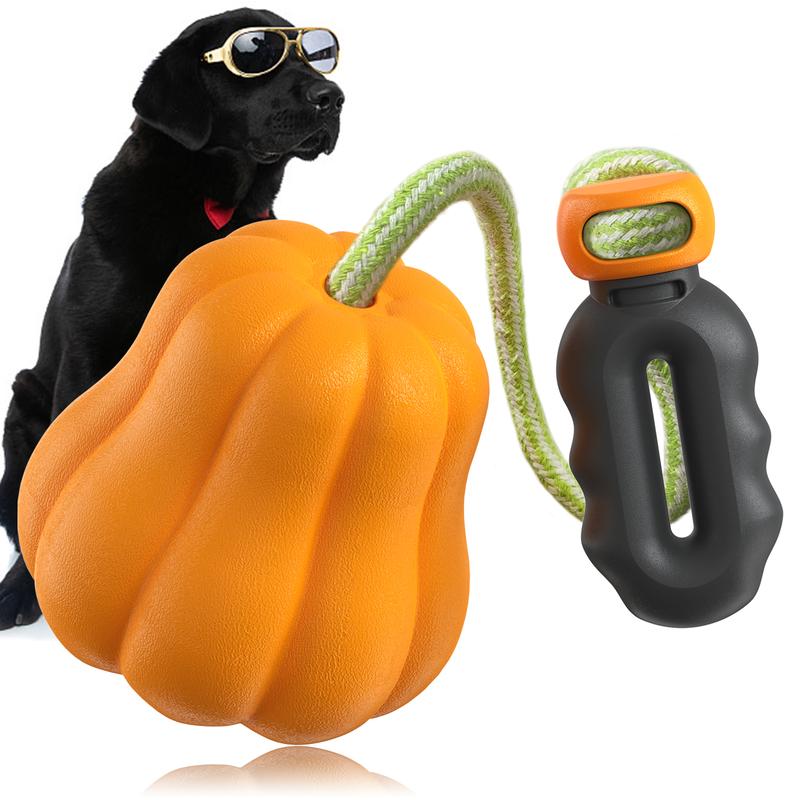
- Offering puzzle toys or durable chew toys to reduce boredom.
- Creating a quiet, comfortable space where your dog can relax.
- Staying calm during stressful situations.
- Speaking with your veterinarian if the anxiety is severe, sudden, or doesn't improve.
Final Thoughts
Every dog experiences stress differently, but recognizing the signs early can make a big difference. With patience, routine, and the right support, many dogs become more confident and comfortable over time.
If you're looking for ways to help your dog stay relaxed, explore our selection of interactive toys, durable chew toys, cozy beds, and other products designed to keep your dog engaged and comfortable.
