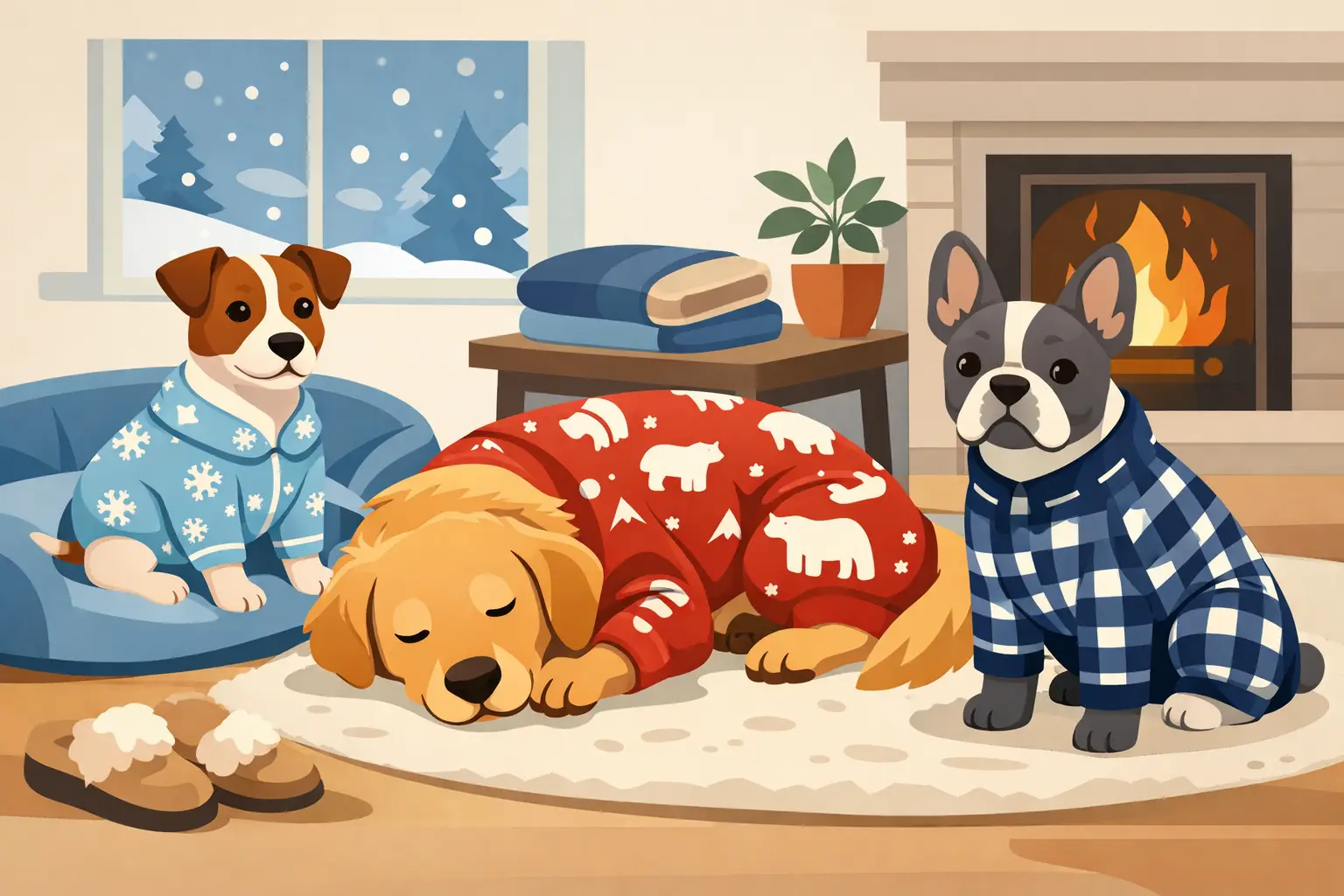
A chilly morning can turn even the most confident little strutter into a blanket burrower. The best dog pajamas for winter offer a cozy extra layer for dogs who feel the cold, while still letting them stretch, snooze, and show off their personality. Think soft fabric, a comfortable fit, and just enough warmth for peaceful nights and slow weekend cuddles.
Dog pajamas are not a replacement for a warm home, a proper winter coat outdoors, or veterinary care when a dog seems unusually cold. They are a sweet, practical comfort item for the right dog and the right setting. For pet parents who love pairing gentle care with a little fashion fun, they can make bedtime feel extra special.
Which Dogs Benefit Most From Winter Pajamas?
Some dogs seem perfectly happy curled up on a cool floor in January. Others start shivering the moment the thermostat drops. Size, coat type, age, health, and indoor temperature all affect whether pajamas make sense.
Short-haired breeds, lean dogs, toy breeds, puppies, and senior dogs are often more sensitive to cold. A Chihuahua, Whippet, Miniature Pinscher, or short-coated rescue pup may appreciate a soft sleep layer much more than a thick-coated Husky. Dogs with clipped coats can also enjoy pajamas while their fur grows back, as long as their skin is healthy and the garment does not rub.
A dog who naps under blankets, seeks out heating vents, curls into a tight ball, or shivers on cool evenings may be telling you they want more warmth. Still, behavior matters more than breed labels. A fluffy small dog may get hot easily, while a larger short-haired dog may love pajamas.
Pajamas are usually best for supervised lounging, bedtime, travel, and calm indoor days. Take them off during active play, outdoor bathroom trips, and any time your dog appears warm, restless, or uncomfortable.
Best Dog Pajamas for Winter: What to Look For
The cutest print gets attention, but comfort should make the final decision. A well-chosen pajama set feels soft against the coat, stays in place without squeezing, and makes bathroom breaks easy. It should look adorable because your dog is relaxed in it, not because they are tolerating it for a photo.
Pick fabric for your home, not just the season
Fleece and plush fabrics deliver serious coziness for a cool home, especially for short-haired dogs that curl up in drafty rooms. Cotton jersey is lighter and more breathable, making it a smart choice for dogs that want a little coverage but can overheat in heavy fabric. Soft cotton blends often work well for sleeping because they have enough give for natural movement.
For dogs with sensitive skin, look for smooth, gentle materials and avoid rough seams, scratchy appliques, or stiff metallic decorations near the belly and underarms. A fashion-forward pajama can still be kind to skin. Decorative details are best placed where they will not rub when your dog lies down.
Avoid thick pajamas if your home runs warm or your dog sleeps pressed against you under heavy blankets. More insulation is not always better. The goal is a comfortably warm dog, not a panting one.
Prioritize a fit that lets your dog be a dog
A good pajama fit follows the body without pulling across the chest, shoulders, or back legs. Your dog should be able to sit, turn around, climb into bed, and take a normal stride. If fabric twists around the body or the neckline slides back, the size or cut is likely wrong.
Before shopping, measure your dog’s neck, chest at its widest point, and back length from the base of the neck to the base of the tail. Compare those numbers to the product size chart rather than choosing only by breed or weight. Two dogs of the same breed can have completely different chest and body proportions.
For growing puppies or dogs between sizes, a slightly roomier fit is often safer than a snug one. Just make sure loose fabric does not drag, bunch under the legs, or create a tripping hazard. Pajamas should never restrict breathing, circulation, or potty time.
Choose a style that suits bedtime routines
Four-leg pajama styles provide fuller coverage and can be wonderfully warm, but they are not every dog’s favorite. Dogs with long legs may enjoy them, while stockier dogs or dogs that dislike having their paws handled may prefer a simple shirt-style pajama. Sleeveless designs can be easier for broad-chested pups and dogs that need more freedom around the shoulders.
Consider your dog’s bathroom habits, too. A thoughtful cut keeps the belly and rear area clear, so a quick late-night potty break does not become a laundry emergency. If your dog wears a diaper, post-surgery garment, or mobility support, ask your veterinarian before layering pajamas over it.
How to Tell if Your Dog Is Comfortable
Your dog will give you a very honest review. After putting on new pajamas, let them walk around indoors for a few minutes and watch their body language. A comfortable dog may sniff the fabric briefly, then move normally and settle down.
Remove the pajamas if you see repeated scratching, freezing in place, chewing at the garment, tucked posture, heavy panting, or attempts to wriggle out. Check under the front legs, around the neck, and across the belly for red marks or rubbed fur after the first wear. Even a beautiful piece is not worth irritation.
It also helps to introduce pajamas in short, happy sessions. Offer a favorite treat, keep your voice cheerful, and let your dog associate the new outfit with calm cuddle time. Never force a nervous dog into clothing. Some pups need a few tries, and some simply prefer a cozy bed and blanket instead.
Keep Winter Pajamas Clean and Cozy
Pajamas collect dander, shed fur, and the occasional trace of mud from a rushed potty break. Washing them regularly keeps the fabric soft and helps reduce skin irritation. Follow the care label closely, especially with fleece, knitwear, or items with decorative details.
Use a mild, pet-safe detergent when possible, and skip strongly scented products that may bother sensitive noses or skin. Make sure pajamas are fully dry before your dog wears them again. Damp fabric can feel cold and may cause chafing.
Having two or three pairs makes winter routines easier. One can be in the wash, one can be ready for bedtime, and one can be reserved for travel or a particularly cute holiday photo. Rotation also lets you notice if a garment is stretching out or starting to rub in a new spot.
Pajamas Work Best With a Cozy Sleep Setup
Warm pajamas do their best work alongside a comfortable bed. Place your dog’s bed away from cold drafts, exterior doors, and chilly tile floors. A supportive bed, soft blanket, and a restful corner can make a bigger difference than adding the thickest possible outfit.
Keep an eye on room temperature and your dog’s preferences. If they move away from blankets, pant, or seek cool flooring, remove a layer. If they stay curled tightly despite a comfortable room, try a warmer sleep space or check in with your veterinarian if the change is sudden.
Winter comfort does not have to be complicated. A soft pair of pajamas, the right fit, and a cozy place to rest can give your pup that tucked-in, cared-for feeling they deserve. At Sootha Paws, we believe gentle care for happy tails can be practical, playful, and wonderfully warm.
