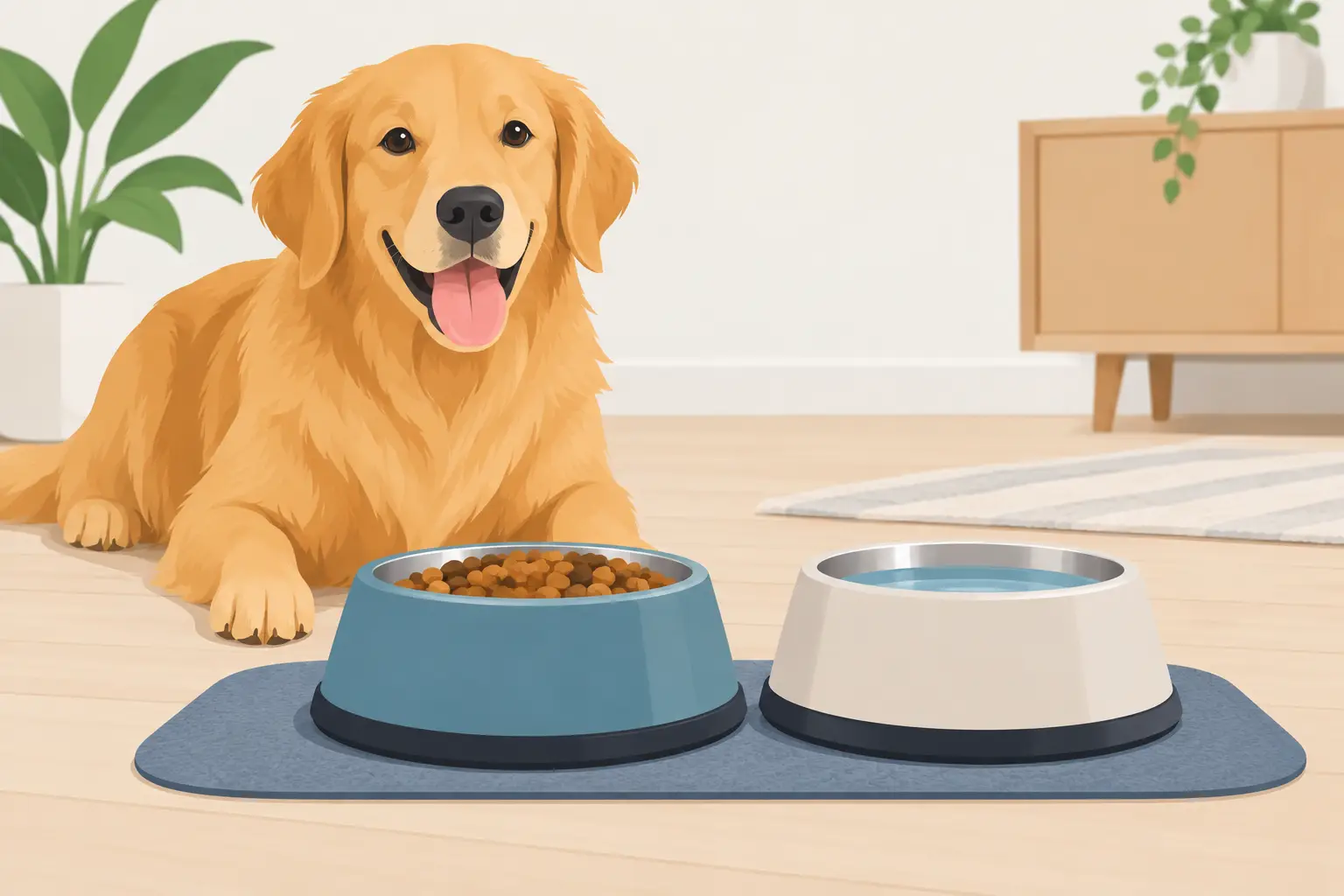
That scrape-scoot-chase routine at breakfast is more than a little noisy. A bowl that slides across the kitchen can spill water, scatter kibble, and turn a simple meal into a daily cleanup job. The best non slip dog bowls stay put while your pup eats, drinks, and happily licks up every last bite.
For many dogs, a steadier bowl also feels more comfortable. This is especially true for enthusiastic eaters, flat-faced breeds, puppies still learning mealtime manners, and senior dogs who may not want to chase a dish around the floor. The right choice depends on your dog's size, eating style, your floors, and whether the bowl is for food, water, or both.
What Makes a Dog Bowl Truly Non Slip?
A bowl is not automatically non slip just because it feels heavy in your hand. The feature that matters most is the contact between the bowl and your floor. Look for a wide silicone or rubber ring around the bottom, small grippy feet, or a fitted silicone mat that keeps the bowl from moving.
Silicone is a popular choice because it grips tile, vinyl, hardwood, and laminate without being harsh on the surface. A full silicone base usually offers more stability than a narrow ring, although it can collect a little moisture underneath if water splashes over the edge. Lift the bowl during regular cleaning and dry the floor beneath it to keep the feeding area fresh.
Weight helps, too. A sturdy stainless steel or ceramic bowl is harder for a large dog to nudge than thin plastic. Still, weight alone will not solve sliding on slick floors. A heavy bowl with a grippy bottom gives you the best chance of a calm, contained meal.
Best Non Slip Dog Bowls: Choose by Material
The bowl material affects durability, cleanup, style, and how well it suits your dog's routine. There is no single perfect material for every household, but a few options work particularly well when paired with a secure base.
Stainless steel for everyday ease
Stainless steel is a favorite for busy pet parents because it is lightweight, durable, and easy to wash. Choose a food-grade stainless steel bowl with a bonded silicone bottom or a removable non slip ring. It is a smart everyday option for dogs who eat twice a day, drink often, or occasionally treat their bowl like a toy.
The trade-off is noise. A metal tag or an eager eater can make stainless steel clink against the bowl. A silicone base reduces that sound, but a very determined dog may still push the bowl if the base is too narrow. Check the bottom after washing, especially if the silicone ring is removable, since trapped water and crumbs can build up there.
Ceramic for a polished feeding station
Ceramic bowls bring a little extra style to the feeding corner. They tend to be naturally heavier than steel, which can help keep them in place, and they come in colors and patterns that complement a thoughtfully decorated home. For a dog with a calm eating style, a ceramic bowl with a silicone base can be both beautiful and practical.
Ceramic does need a bit more care. Inspect it regularly for chips, cracks, or worn glaze, and replace it if the surface becomes damaged. It can also break if dropped on hard flooring. If your pup is bouncy, excitable, or fond of flipping dishes, stainless steel is usually the more forgiving pick.
Silicone for travel and flexible routines
Collapsible silicone bowls are wonderfully convenient for road trips, walks, park days, and visits with family. Many have a naturally grippy texture, and they pack down easily in a tote or car kit. They are best for temporary water breaks or meals away from home rather than every dog's main bowl.
Because silicone bowls are lightweight, a hungry dog can still move them around. A wide bottom helps, but they are not usually the strongest choice for a powerful eater at home. Consider one as a helpful backup bowl instead of relying on it for every meal.
Plastic with care
Plastic bowls can be affordable and colorful, but quality varies widely. Some have useful rubber feet or a non slip base, yet lighter plastic may still slide, scratch, or hold onto odors over time. If you choose plastic, look for a sturdy, food-safe option in good condition and replace it when you notice deep scratches, discoloration, or chew marks.
For dogs with sensitive skin around the muzzle or a history of chin irritation, stainless steel is often the simpler choice to try first. If irritation continues, a veterinarian can help rule out food, skin, or environmental causes.
Elevated Dog Feeders with Non-Slip Bases
Elevated dog feeders can help keep food and water bowls in a more stable position while creating a designated feeding area. Some models include nonslip feet or bases to help prevent movement across the floor. When choosing an elevated feeder, check the height, bowl material, stability, and whether the base has non-slip features.
Match the Bowl to Your Dog's Eating Style
The best bowl is the one your dog can use comfortably without creating a mess. Start with capacity, not just appearance. A tiny bowl may require constant refilling, while an oversized bowl can make portions look sparse and encourage a small dog to climb in or push food around.
A shallow, wide bowl often works well for dogs with short noses, while a deeper bowl can help contain water for floppy-eared breeds. For long-eared dogs, a narrower opening may keep ears a little drier during meals. If your dog wears a collar with dangling tags, a bowl with a slightly taller rim can reduce tag clatter.
Fast eaters need a different solution. A non slip slow feeder can make meals last longer by placing gentle obstacles in the food path. The grippy base matters here because dogs naturally use their noses and tongues with more force when working around the pattern. Choose a slow feeder with rounded grooves that are easy to clean, and make sure the design is appropriate for your dog's snout shape and kibble size.
Raised feeders can also be stable, but height is not automatically better. Some dogs benefit from a raised setup because it keeps bowls in one place and reduces bending, especially when the stand has non slip feet. For other dogs, a floor-level bowl is perfectly comfortable. If your dog has mobility concerns, neck pain, or a medical condition, ask your veterinarian what feeding height makes sense before changing the setup.
Check the Base Before You Buy
Product photos can make every bowl look secure, so focus on details that reveal how it will behave on your actual floor. A broad, flat bottom is generally more stable than a narrow pedestal. A silicone base should sit flush rather than wobble at the edges. If the bowl uses individual rubber feet, make sure they are large enough to create real grip rather than simply decorate the bottom.
Think about your feeding location, too. On textured rugs, almost any bowl may stay still. On smooth tile or polished hardwood, a silicone base makes a much bigger difference. If your dog eats on a mat, choose one with a non slip underside and a raised lip to catch splashes. The mat should lie flat so it does not become a tripping edge for people or paws.
For homes with more than one dog, giving each pup a defined feeding space can prevent bowl bumping and food confusion. A matching pair of stable bowls can keep the setup neat while still letting each dog have the right portion size.
Easy Care Keeps the Grip Working
Even the best base loses its hold when it is coated in grease, dust, or dried food. Wash food bowls after each meal when possible, and refresh water bowls daily. Follow the maker's care directions, especially for dishwasher-safe claims. High heat can eventually affect certain removable rubber or silicone pieces.
After cleaning, inspect the bottom. Remove crumbs from the rim of a silicone ring, dry the base, and make sure the bowl rests evenly on the floor. If a ring has stretched, cracked, or begun to peel away, it is time to replace the bowl or its base. A sliding bowl is not a small annoyance when it sends water across the floor or makes an older dog feel unsteady.
Avoid placing bowls near a busy doorway, underfoot kitchen path, or direct heat source. A quiet, easy-to-reach corner gives your dog space to enjoy meals without foot traffic, sudden scares, or spills from a bumped bowl.
Shop Non-Slip Feeding Bowls at Sootha Paws
Looking for a feeding bowl that stays in place during mealtime? Explore our collection of dog feeding bowls.
Find a bowl that suits your dog's size, eating habits, and everyday needs.
A Small Upgrade That Feels Better Every Day
A non slip bowl may seem like a simple purchase, but it can make your dog's daily routine calmer and your home easier to keep tidy. Choose a material that fits your lifestyle, a size that suits your dog, and a base made for the floor beneath it. At Sootha Paws, we believe gentle care can show up in the everyday details - right down to a meal that stays where it belongs
