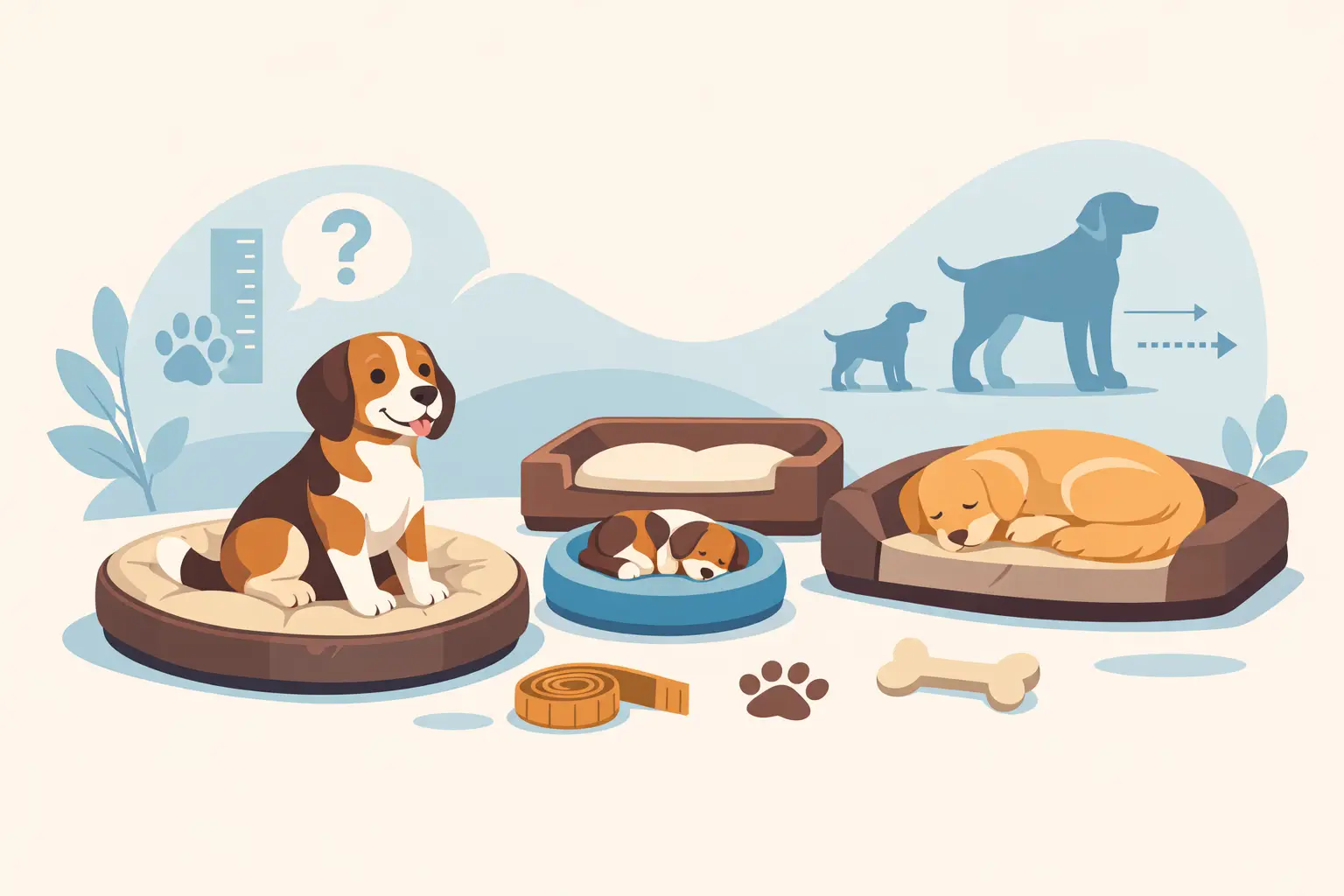
A bed can look wonderfully plush on your living room floor and still be too small for your dog to truly relax in. Knowing how to choose dog bed size starts with seeing how your pup sleeps at home, then matching that favorite position to real measurements instead of relying on breed labels alone. The right fit gives your dog room to stretch, curl up, and enjoy the gentle comfort every happy tail deserves.
How to Choose Dog Bed Size With a Simple Measurement
The most reliable way to shop is to measure your dog while they are resting, not standing at attention. Wait until they settle into a normal nap position, then use a soft measuring tape from the tip of the nose to the base of the tail. Add 6 to 12 inches to that number for a flat or pillow-style bed. That extra space lets your dog adjust positions without hanging off the edge.
For example, a dog who measures 24 inches while stretched out will usually be happiest on a bed with at least 30 to 36 inches of usable sleeping space. A dog who curls up tightly may need less extra room, but a little breathing room is still more comfortable than a bed that feels snug from day one.
Pay attention to the listed sleeping surface, not only the product’s overall dimensions. Bolsters, raised edges, and thick frames take up interior space. A bed advertised as 36 inches long may offer several inches less room where your dog actually lies down. If measurements are listed as length by width, compare them with your dog’s longest and widest sleeping positions.
Weight ranges can be a helpful backup, especially for growing puppies or dogs with a compact build. Still, weight is not the final answer. A 45-pound long-legged hound mix may need a larger bed than a sturdy, curled-up 55-pound bulldog. Body shape and sleeping habits matter just as much as the number on the scale.
Match the Bed Shape to Your Dog’s Sleep Style
Size is only part of a cozy setup. The shape of a bed affects how much usable space your dog gets and whether they will want to use it every day.
Dogs who sleep fully stretched out, often called splooters, usually do best with a rectangular mattress, flat lounger, or open pillow bed. Choose a bed long enough for their full body, plus room for an extended paw. If your dog switches between their side and belly during a nap, err toward a larger size rather than trying to make a smaller bed work.
Dogs who curl into a little cinnamon roll often love round, oval, or donut-shaped beds. Raised sides create a tucked-in feeling and offer a place to rest the head. Measure your dog across the widest part of their curled body, then choose an interior diameter that leaves a few inches around them. Do not forget that the outer diameter of a donut bed can be much larger than its inner sleeping circle.
For leaners and head-resters, a bolstered bed can feel especially inviting. These beds are great for dogs who like a soft boundary, but the inside dimensions are key. A tall bolster can also be harder for a senior dog, a short-legged breed, or a pup recovering from an injury to step over. A low-front entry offers a thoughtful compromise: supportive sides with easier access.
Cave beds and hooded beds suit dogs who seek warmth, quiet, and a little privacy. They are often a sweet choice for small dogs, chilly pups, and burrowers. Be generous with the size, since the covered section can feel smaller once your dog is inside. If your dog dislikes enclosed spaces, a cozy blanket over an open bed may be the better choice.
Leave Room for Growing Dogs and Changing Needs
A puppy’s bed should fit their current resting style, but rapid growth can make a perfect fit temporary. If your puppy is likely to grow significantly over the next few months, choosing one size up is often practical. Just avoid going dramatically oversized for a very young puppy, especially if they feel safer in a snug sleeping nook.
A supportive bed becomes even more meaningful as dogs age. Older dogs may need extra room to reposition sore joints, stretch stiff legs, or settle slowly. For them, a bed that is slightly more spacious, with a low step-in height and a firm supportive base, can be more comfortable than a deeply squishy bed. Orthopedic foam can be a lovely option, but it should still be large enough for their entire body.
Dogs sharing a bed need a different calculation. Measure both dogs in their favorite positions and picture whether they genuinely sleep pressed together or prefer personal space. Two small dogs that cuddle may share one generously sized bed. Two medium dogs who like to sprawl are usually happier with separate beds, even if they occasionally nap side by side.
Check the Space Around the Bed, Too
Your dog’s ideal bed has to fit your home as well as their body. Before ordering, mark the bed’s dimensions on the floor with painter’s tape or a towel. This quick trick shows whether a large lounger will block a walkway, crowd a crate area, or fit neatly beside the sofa.
Placement influences the size and style you choose. A large flat bed works beautifully in an open family room where your dog can stretch out near everyone. A round bed may make better use of a quiet corner. For a crate, measure the interior floor from wall to wall and leave enough clearance so the door closes without pushing against the bed.
Consider your dog’s favorite resting spot, too. A social dog may want a bed in the center of the action, while a sensitive or easily startled dog may rest better in a calmer corner. A bed that is the right size but placed where your dog cannot relax may go unused.
Common Dog Bed Sizing Mistakes to Avoid
The most common mistake is buying based on a breed chart alone. Breed guidelines are useful starting points, but mixes, long-bodied dogs, broad-chested dogs, and leggy dogs rarely fit neatly into a single category. Your own dog’s measurement wins every time.
Another mistake is measuring only while your dog is curled up. That position can make even a big dog look surprisingly small. Watch a few naps over several days. If they regularly stretch, choose for the stretch. If they alternate between curling and sprawling, a rectangular or oval bed with open space may give them the most flexibility.
It is also easy to overlook bed thickness. Plush raised beds can look roomy in photos, but a high edge reduces the area your dog can use. Conversely, a very thin mat may have plenty of surface space but not enough cushioning for a dog who needs joint support. The best choice balances dimensions, support, ease of entry, and the way your dog likes to settle.
Finally, do not size down just because the bed will look tidier in your space. A dog bed is more than decor. It is your pup’s spot to recover after walks, hold a favorite toy, and settle in while the family is together. Choosing a bed that supports that daily comfort is worth a few extra inches.
A Quick Fit Check When the Bed Arrives
Once the bed is home, give your dog time to investigate it without pressure. Add a familiar blanket or toy if that helps it feel inviting. When they lie down, look for a few simple signs: their head and hips should stay on the sleeping surface, they should be able to turn around easily, and they should not have to curl tighter than usual to fit.
A bed that is a little too large is rarely a problem for an adult dog. A bed that is too small can lead to restless naps, awkward positions, or a pup who chooses the rug instead. If your dog appears comfortable but prefers leaning against an edge, a roomy bolstered style may be the next best match.
Your dog does not need a designer eye to know what feels good. Measure their real sleeping shape, allow for movement, and choose a style that suits the way they rest. A well-sized bed turns an ordinary corner of the house into a soft, dependable place for gentle care and happy tails.
