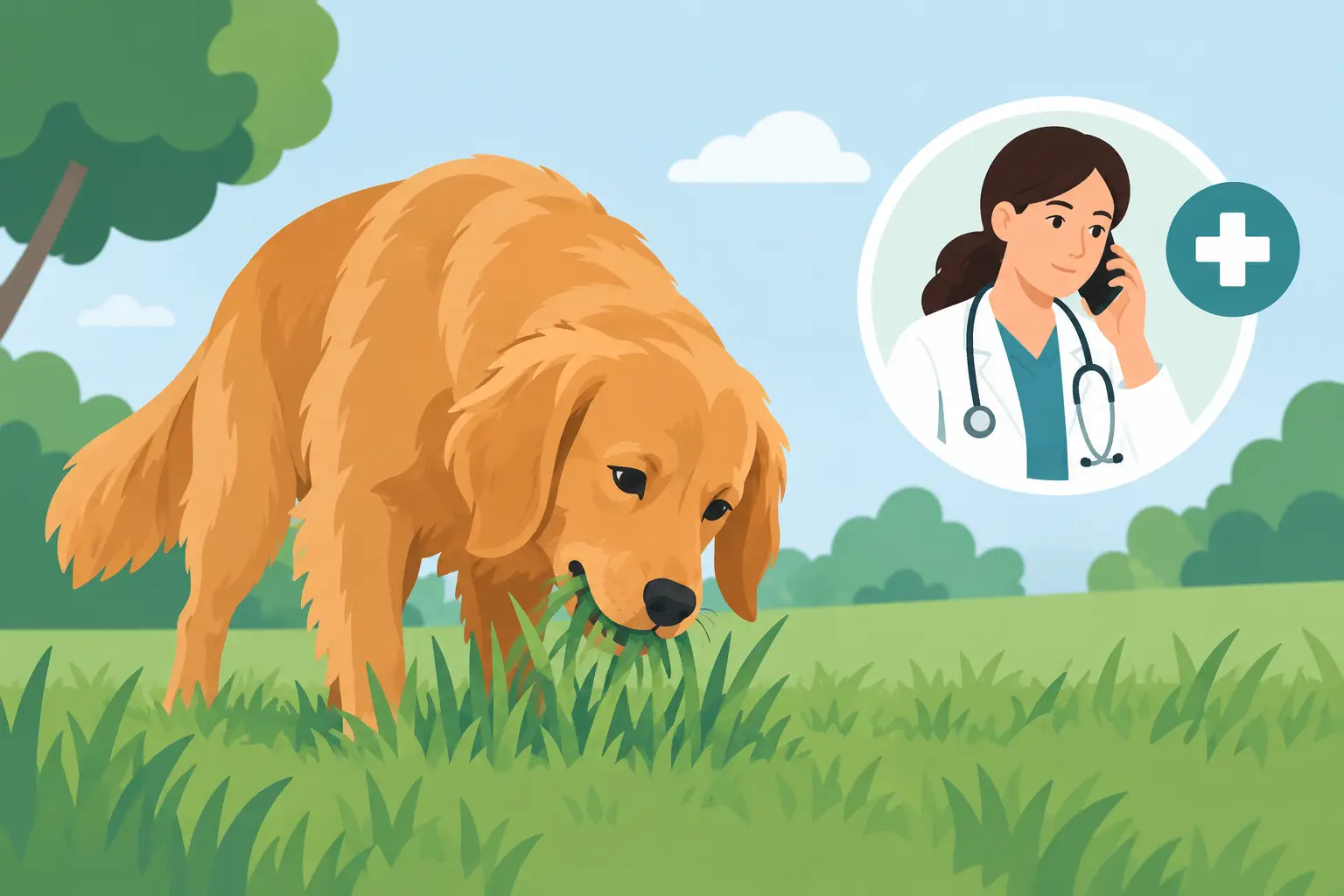
A walk is going beautifully: tail up, ears alert, maybe a cute sweater catching compliments. Then your dog stops and starts nibbling the lawn like it is a salad bar. If you have wondered why dogs eat grass, you are far from alone. Most of the time, occasional grass eating is normal dog behavior. Still, what happens before and after the grazing matters.
Dogs do not eat grass for one single reason, and the old idea that every grass-eating dog is trying to throw up does not tell the full story. Your pup may enjoy the texture, respond to an upset stomach, seek extra fiber, or simply follow an instinctive habit. The goal is not to panic or stop every bite. It is to notice patterns, keep outdoor spaces safe, and know when a call to the veterinarian is the kindest next step.
Why Dogs Eat Grass: The Most Likely Reasons
They simply like it
Some dogs seem to enjoy the taste and crisp texture of fresh grass, especially tender new blades after rain or during spring. Dogs explore with their mouths, much like a toddler who wants to touch everything in reach. A few calm nibbles during a walk may be no more dramatic than stopping to sniff a favorite tree.
Many dogs that eat grass do not vomit afterward and otherwise feel perfectly fine. If your dog has normal energy, appetite, stools, and behavior, occasional grazing is usually not a reason for alarm.
It may be an instinctive behavior
Wild canids and early dogs ate prey along with plant material found in stomach contents. While modern dogs have very different diets and lifestyles, they may still retain an interest in plants and roughage. Grass can add bulk to the digestive tract, although it is not a necessary substitute for a balanced dog food.
This is one reason grass eating can appear in well-fed dogs from loving homes. It does not automatically mean you are missing something in their daily care.
They may have mild digestive discomfort
A dog with an uneasy stomach may seek grass, and some dogs do vomit after eating it. But grass is not a reliable home remedy for nausea. It is also unclear whether the grass caused vomiting or whether a nauseated dog was already likely to vomit.
Look at the full picture. Did your dog eat quickly, sneak table scraps, change foods recently, or get into the trash? One isolated episode may pass quickly. Repeated vomiting, signs of pain, or a sudden change in grazing habits deserve more attention.
Boredom, stress, or an exciting environment can play a part
A dog who spends time in the yard without much to do may turn grass nibbling into a pastime. Other dogs graze when they are overstimulated, anxious, or winding down after a busy walk. This is not a sign that your dog is being difficult. It can be a clue that they would benefit from more enrichment, predictable exercise, or a calmer routine.
A sniffy walk, a puzzle feeder, a short training session, or a favorite outdoor toy can give an energetic mind something more rewarding to do. For dogs who graze mostly when left alone, consider what is happening around the behavior rather than focusing on the grass alone.
Is It Safe for Dogs to Eat Grass?
Plain, untreated grass in small amounts is often low risk for healthy dogs. The bigger concern is what may be on the lawn or hiding within it. Lawns can be treated with herbicides, pesticides, fertilizers, weed killers, or pest-control products that are unsafe when swallowed. Public parks, neighbors' yards, golf courses, and the edges of sidewalks may be especially hard to assess.
Grass can also carry parasites, bacteria from animal waste, or sharp seed heads. Long blades may irritate the throat, while foxtails and similar awns can become lodged in a dog's nose, ears, paws, or skin. A dog who swallows a large clump of grass can also gag or develop digestive irritation.
For safer outdoor time, supervise grazing as much as you can and avoid lawns unless you know they have not been chemically treated. Wipe paws after walks, especially if your dog has walked through unknown landscaping. If you use lawn products at home, follow every label direction and keep your dog away for the full recommended period. Natural does not always mean pet-safe, so check ingredients before using any yard treatment.
When Grass Eating Is a Reason to Call the Vet
A little grazing once in a while is different from frantic eating, sudden obsession, or grass eating paired with illness. Contact your veterinarian promptly if your dog eats grass and has repeated vomiting, diarrhea, bloating, loss of appetite, lethargy, pain, or blood in vomit or stool.
Call sooner if your dog may have eaten grass treated with chemicals, has swallowed a large amount, or is coughing, gagging, pawing at the mouth, or struggling to swallow. Puppies, senior dogs, and dogs with ongoing medical conditions may need a lower threshold for veterinary guidance.
These signs may point to something more serious than grass itself, such as gastrointestinal upset, a blockage, toxin exposure, parasites, or another medical issue. Do not try to make your dog vomit unless a veterinarian specifically tells you to do so. The safest response depends on what was eaten, how much, and your dog's health history.
Keep a simple behavior note
If the habit is becoming frequent, jot down when it happens. Note the time of day, location, whether your dog ate beforehand, the amount of grass, and any symptoms afterward. A short record can help your veterinarian spot a pattern that is easy to miss in the moment.
For example, grass eating only on an empty stomach may lead your veterinarian to discuss meal timing. Grazing that begins after a food switch may call for a closer look at the transition. There is no one-size-fits-all fix, which is why those small details are useful.
How to Gently Manage a Grass-Loving Dog
You do not need to turn every walk into a tug-of-war. If your dog is trying to eat unsafe grass, calmly guide them away with a cheerful cue such as “leave it,” then reward them for turning back to you. Practice the cue at home first with easy, safe items so it feels like a game rather than a scolding.
Make sure regular meals are complete and appropriate for your dog's age, size, and health needs. Avoid making sudden diet changes because they can upset digestion. If you think your dog needs more fiber or has recurring stomach trouble, ask your veterinarian before adding supplements, vegetables, or new foods.
Enrichment also helps many habitual grazers. Rotate toys, offer supervised play, and build small moments of connection into the day. A comfortable bed for post-walk rest, a well-fitting harness for relaxed outings, and rewarding training treats can all support a happier routine without treating grass as the enemy.
A Few Common Myths About Dogs and Grass
The biggest myth is that dogs only eat grass because they are sick. Some may be nauseated, but many are not. Another myth is that vomiting after grass always means the grass solved a problem. Vomiting can be a sign of irritation and should not be encouraged.
It is also tempting to assume grass eating means a dog has a nutritional deficiency. In a dog eating a complete, balanced diet, that is not usually the explanation. Frequent or compulsive eating of nonfood items, including dirt, rocks, fabric, or large amounts of grass, is different and worth discussing with a veterinarian.
Your dog does not need a perfectly grass-free life to be safe and happy. What they need is your calm attention: choose cleaner places to walk, notice changes in their usual habits, and let their veterinarian help when grazing comes with signs that something is not right. That kind of gentle care keeps more walks focused on the good stuff - fresh air, happy tails, and time together.
